Were You There When The Photo Was Taken?
Susan Sontag wrote: “A way of certifying experience, taking photographs is also a way of refusing it.” Over time, she argued, we become tourists in our own reality. Present but not quite there. How do we stop that from happening?

Hello, Good Lookers!
It's Menka here with this month's Noticing from Just Looking — a project in which we explore our own attention as a creative practice.
Some news: we're starting a book club! It's going to be a slow reading community. If you're interested, please get in touch. There's more information below, and on this book club page.
The Photo-Taking Impairment Effect
Sometimes we look at a photo and it takes us right back to the moment. We can taste the air, hear the music, feel the arm wrapped around us. But at other times, we look at a photo and can't recall much about that day, or even that whole holiday! There is so much that plays a part in this: how well the image captures the atmosphere and characters, how often we've looked at the photo since, and the stories that we tell ourselves about what was going on.
But today I want to explore something else. Not how well, or poorly, a photograph serves as a memory of an event later, but something funny that happens to our attention, and therefore our memory, while we're standing right there, camera in hand. Are we really there for it?
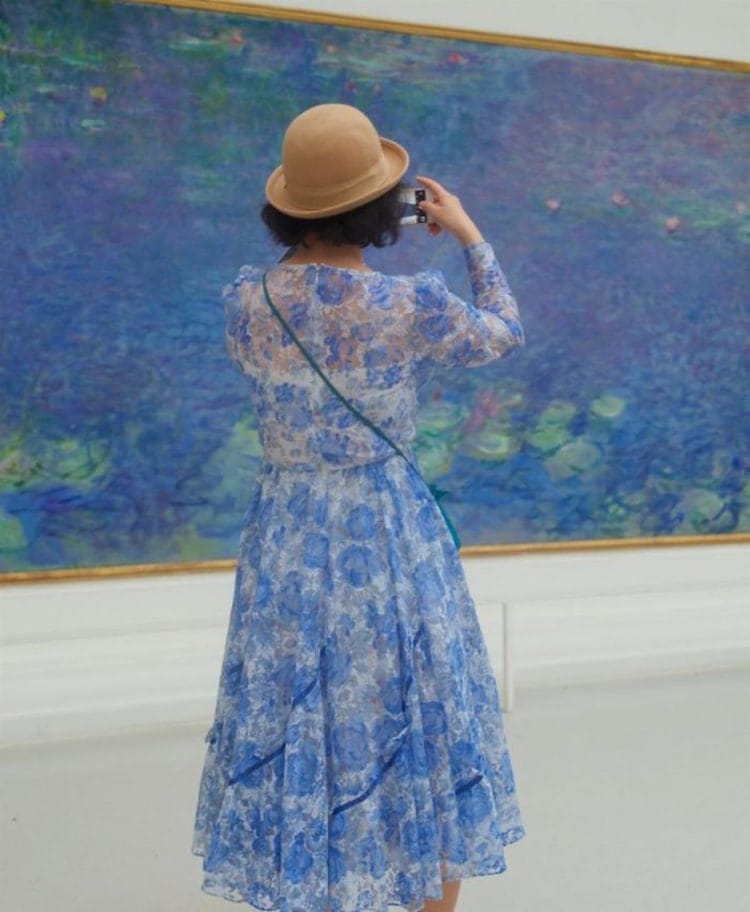
So here's how this whole debate first started. In 2014, the psychologist Linda Henkel found that people touring a museum remembered less about the objects they photographed than the ones they simply looked at with their eyes. She called this the “photo-taking impairment effect.” She said pressing the button signals to your brain that the camera will do the remembering for you.
This was not a brand new critique. In On Photography (1977), writer, director and human rights activist Susan Sontag wrote: “A way of certifying experience, taking photographs is also a way of refusing it.” Over time, she argued, we become tourists in our own reality. Present but not quite there.
Writing about Sontag, Andrew Milne puts it beautifully:
Having taken a photograph, we think of its subject as our captive: it’s there now, on the film, in the camera’s memory. This can make us inept observers. There is no need to experience something now, as we can always review it later. So we grab and run. Even if we compose carefully, if we “make” rather than “take” a photograph, we are likely to feel the release of the shutter as the release of a bond, as if we now can (or must) move on – to other photographs.
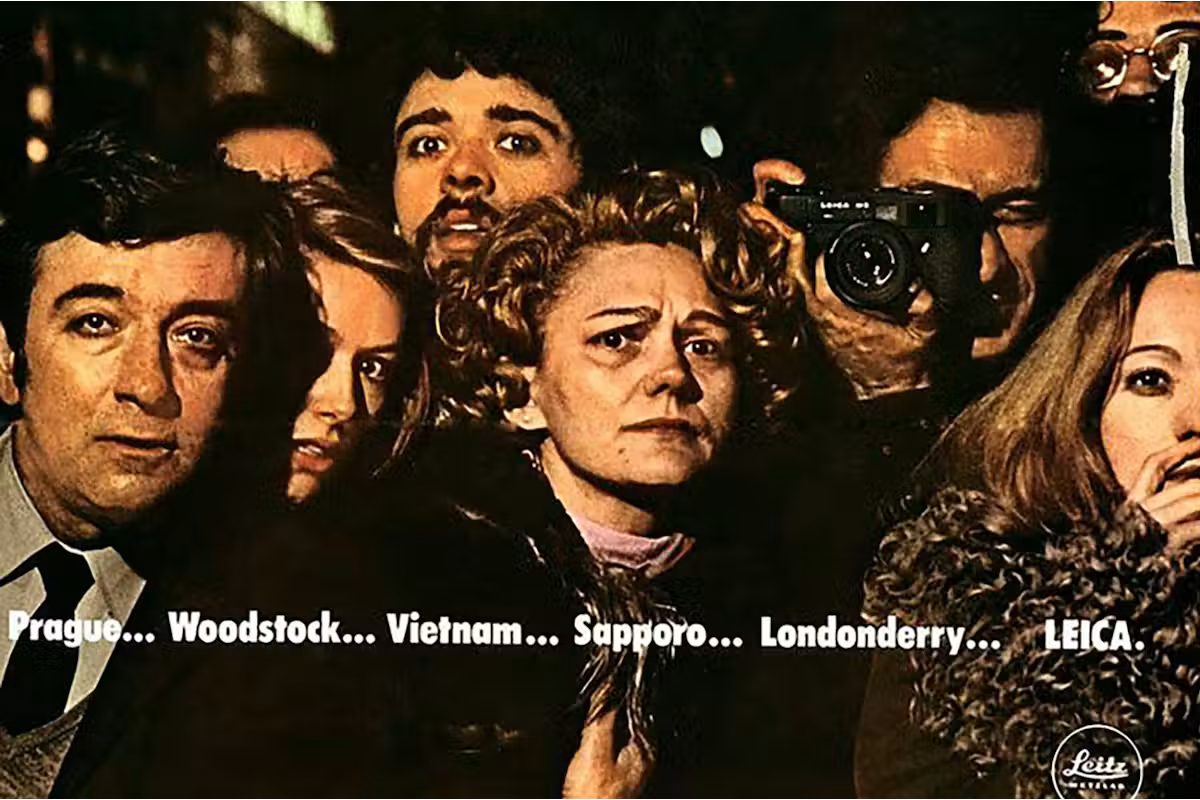
Part of the reason we disengage from our experiences is a phenomenon known as “cognitive offloading.” Once we trust a technology to do something for us, we let go. We no longer have to be fully there. I write about this in my book Your Best Digital Life, and it’s more obvious than ever with AI. It's natural and efficient, and saves precious energy, but the problem is when it's unintentional.
Some describe this as digital amnesia. The most dramatic findings on this have been to do with screenshots. Even more than taking a photo, screenshotting something makes us significantly less likely to remember it. Perhaps because we usually screenshot precisely so we don’t have to remember.
So how do we put the brakes on this memory loss? One simple way is not to use a camera, not to take screenshots, and not to have AI bots take meeting notes. The other day I was watching an online talk that I knew was not going to be recorded and sent to me later and I noticed that I was sitting more upright, listening more carefully. When we become aware that a moment is fleeting, it seems our attention leans in. The ephemerality makes it more noteworthy.
When we become aware that a moment is fleeting, it seems our attention leans in.
BUT, I know there's another side to all this. Like so many of you, I love how the camera helps me attend to life more closely - the very opposite of “cognitive offloading.” In fact, in that same 2014 museum study that sparked the whole debate, Henkel found something important. When people zoomed in to photograph a specific detail, their memory was preserved, not just for the detail but for the whole object. They’d made the effort of noticing. The camera was the tool for noticing, but they did the work, so they remembered.
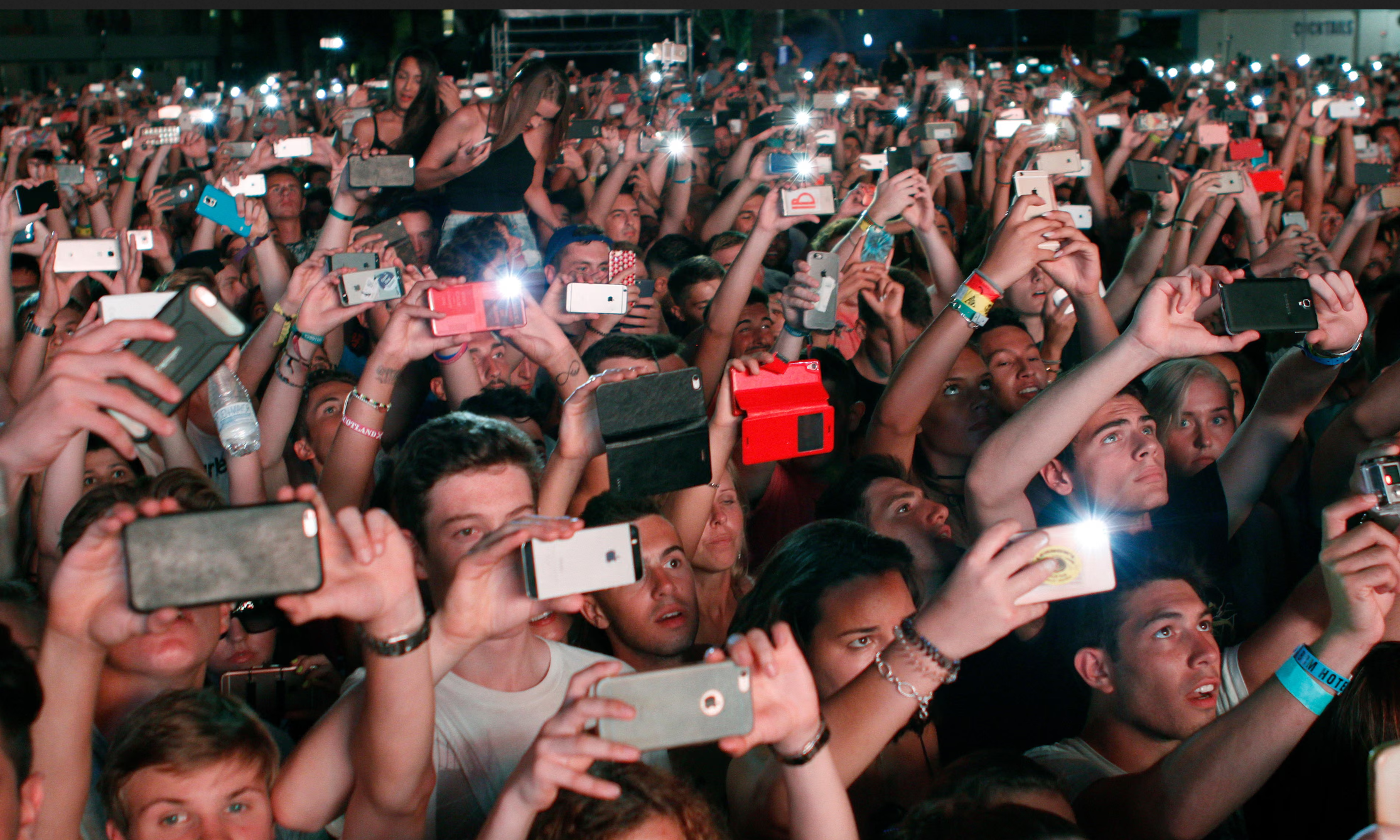
So for me, it’s about choosing the right tool for my attention. When something really exciting is happening, I often leave the camera behind. I recently spoke on BBC Radio in praise of phone-free concerts. They’re more enjoyable! And, of course, attention is social. A study published this summer found that even just being with someone who takes photos impairs our memory of an event, almost as much as taking photos ourselves. We need collective norms for presence.
On the other hand, I rarely take a "boring" walk down the street without a camera and a notebook, because these tools help me slow down and notice the aliveness all around me. I see things I would have walked right past without a camera in my hands. Ephemeral, memorable things that I get to be here for.
Experiment in Looking
Visitors at museums spend roughly 9.5 seconds looking at the artwork, and longer reading the text (according to this one study using mobile eye-tracking). What does it feel like to look at a scene in our lives for longer than that? And if you're going to take a photo, how does the slower looking influence what you photograph, and what you remember about that moment when you see the image later?
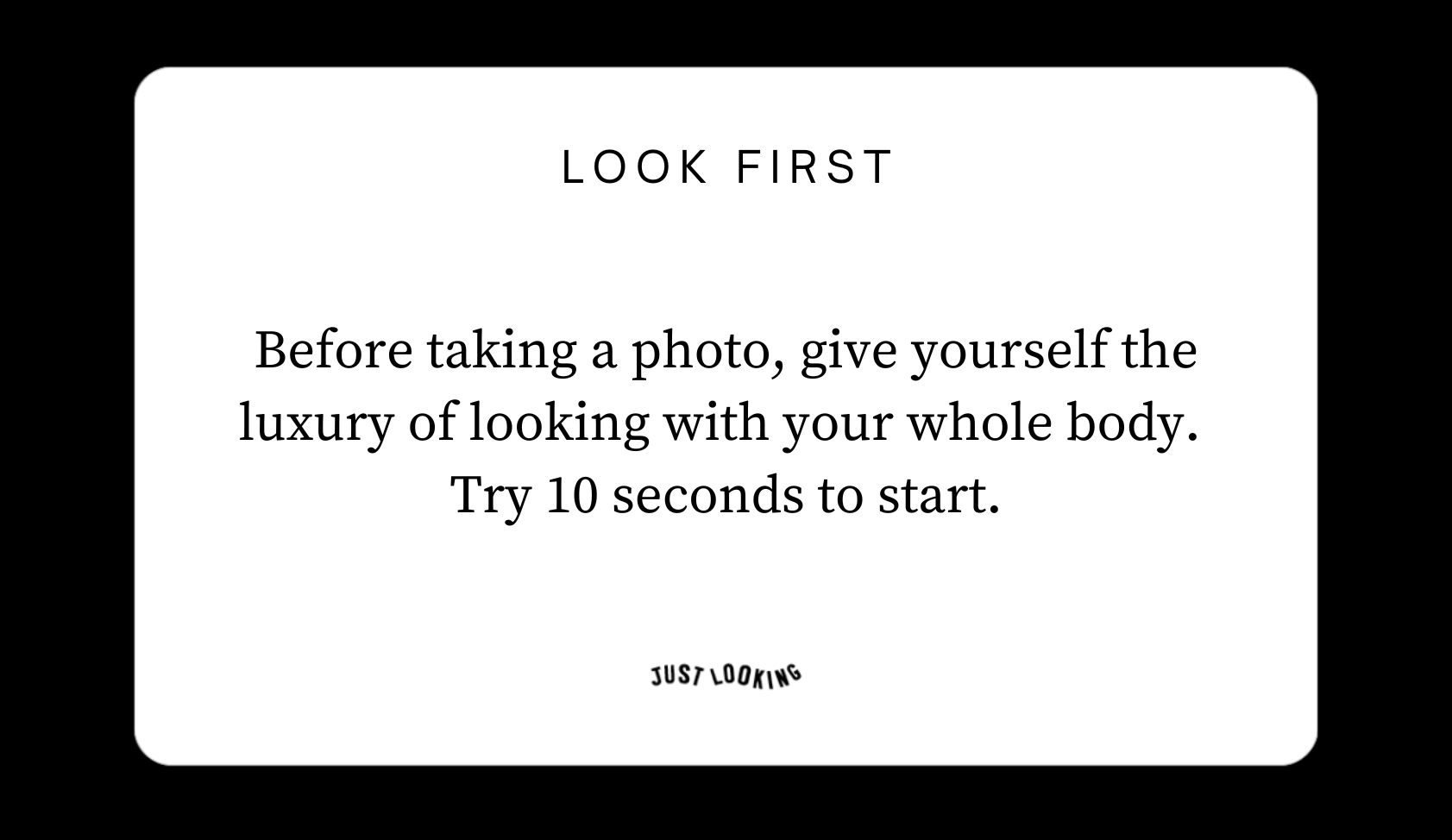
If you try this, I would love to hear how it went.
Hit reply and tell me, or send me the photo.
Community News
Pigeon Photowalk
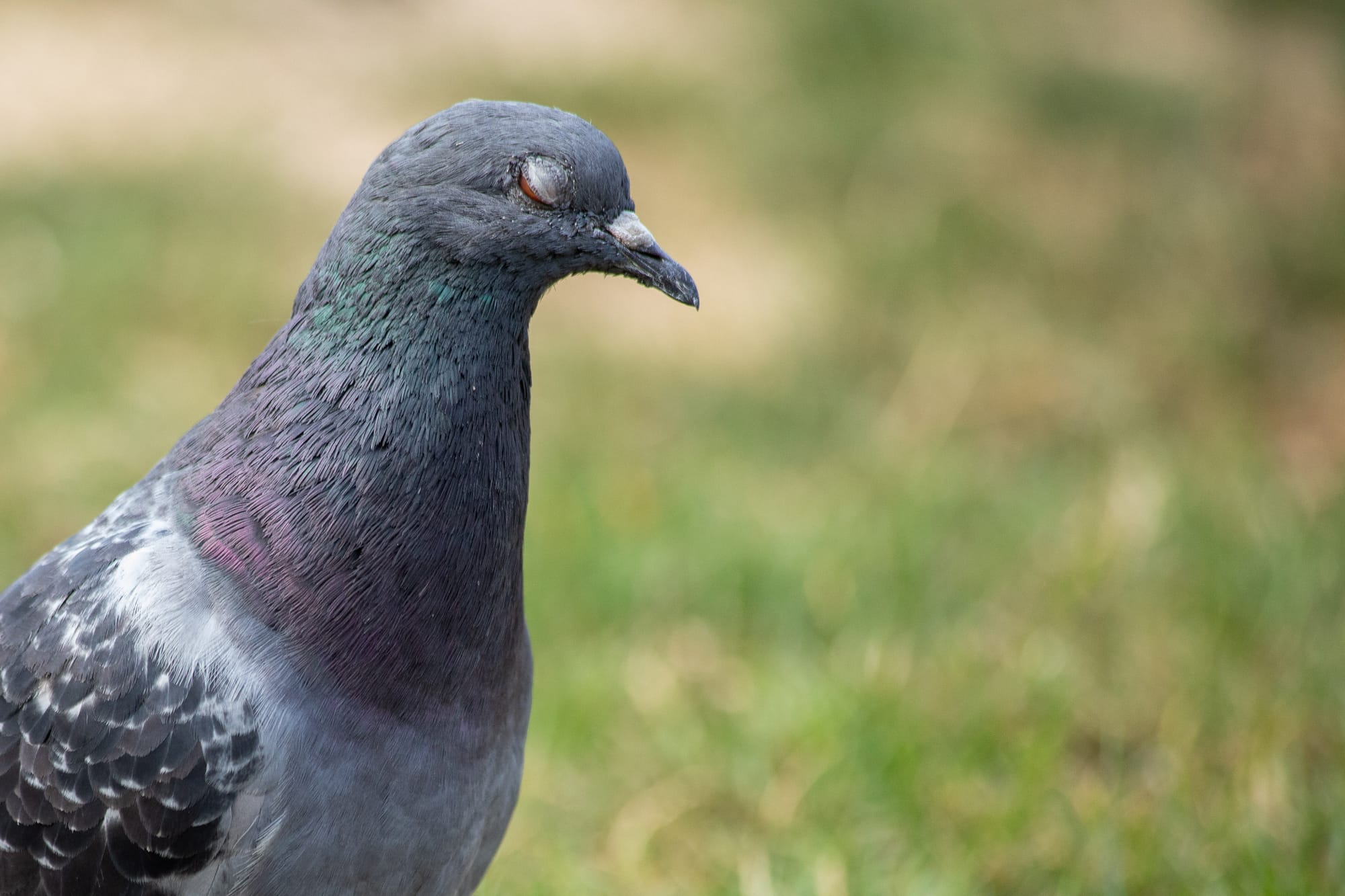
Last month's Paying Attention to Pigeons photowalk was fantastic. Thanks to everyone who came along. A mixed group with some pigeon-lovers, some ambivalents, and some active dislikers too (I love that they came to this!). But whatever our starting point, by the end, we all had a deeper appreciation for these creatures. Billy Holt, our resident pigeon expert, talked to us about their partially see-through eyelids, which allow pigeons to sleep while also keeping a watch out for predators, and Ian, one of the Good Lookers on the walk, actually noticed this.
London National Park Festival
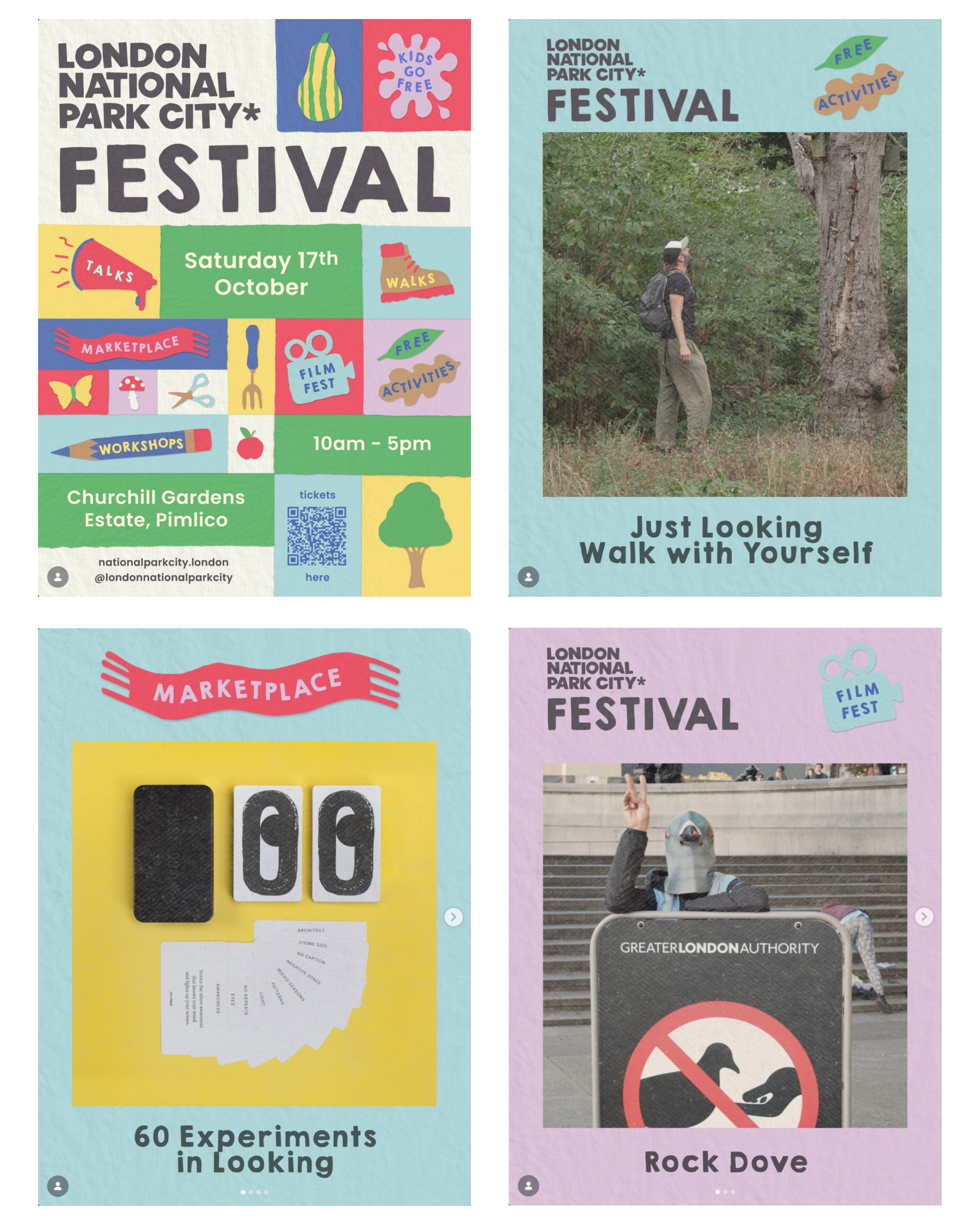
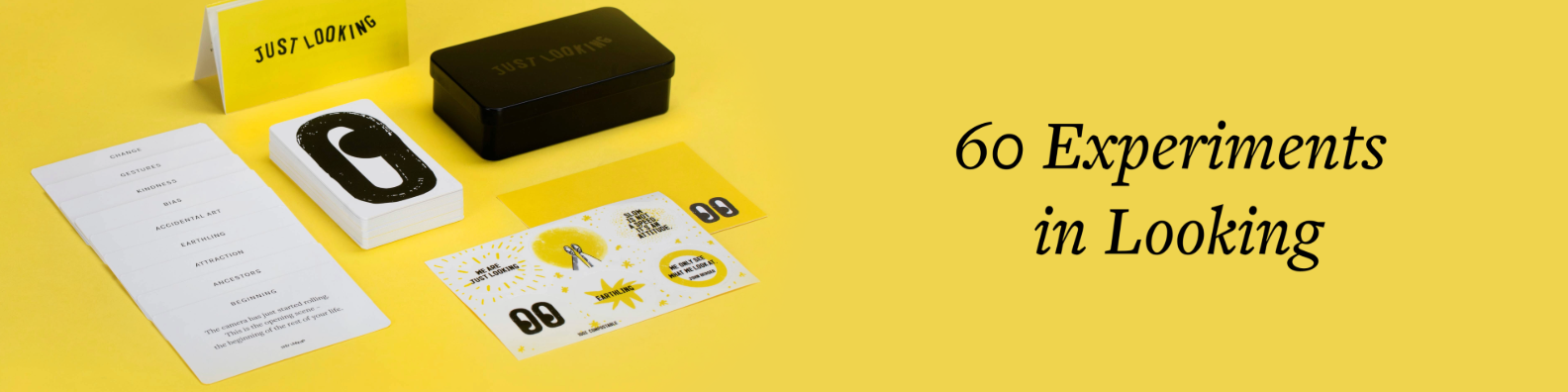
This weekend, Saturday 17th October, there is a festival in Pimlico organised by London National Park City. There are foraging walks, zine-making workshops, films about biodiversity, community, and also the pigeon (aka the Rock Dove). Cannot wait. I'm curating a self-guided walk for observing hidden layers of reality at the festival, and the 60 Experiments will be on sale in the marketplace. If you live in London, even if you can't make it, I recommend following this project along with their newsletter/socials, to get curious-er about nature at your doorstep.
Friends of Just Looking Book Club!
Did you know that we have a thing called Friends of Just Looking? It's for people who want to support this project and help it grow. As part of this I am starting a Friends of Just Looking Book Club to read more books about attention, perception, nature and what it means to be human. (I made a little video about it here). Great time to join as we are just about to start reading our first book: Klara and the Sun.
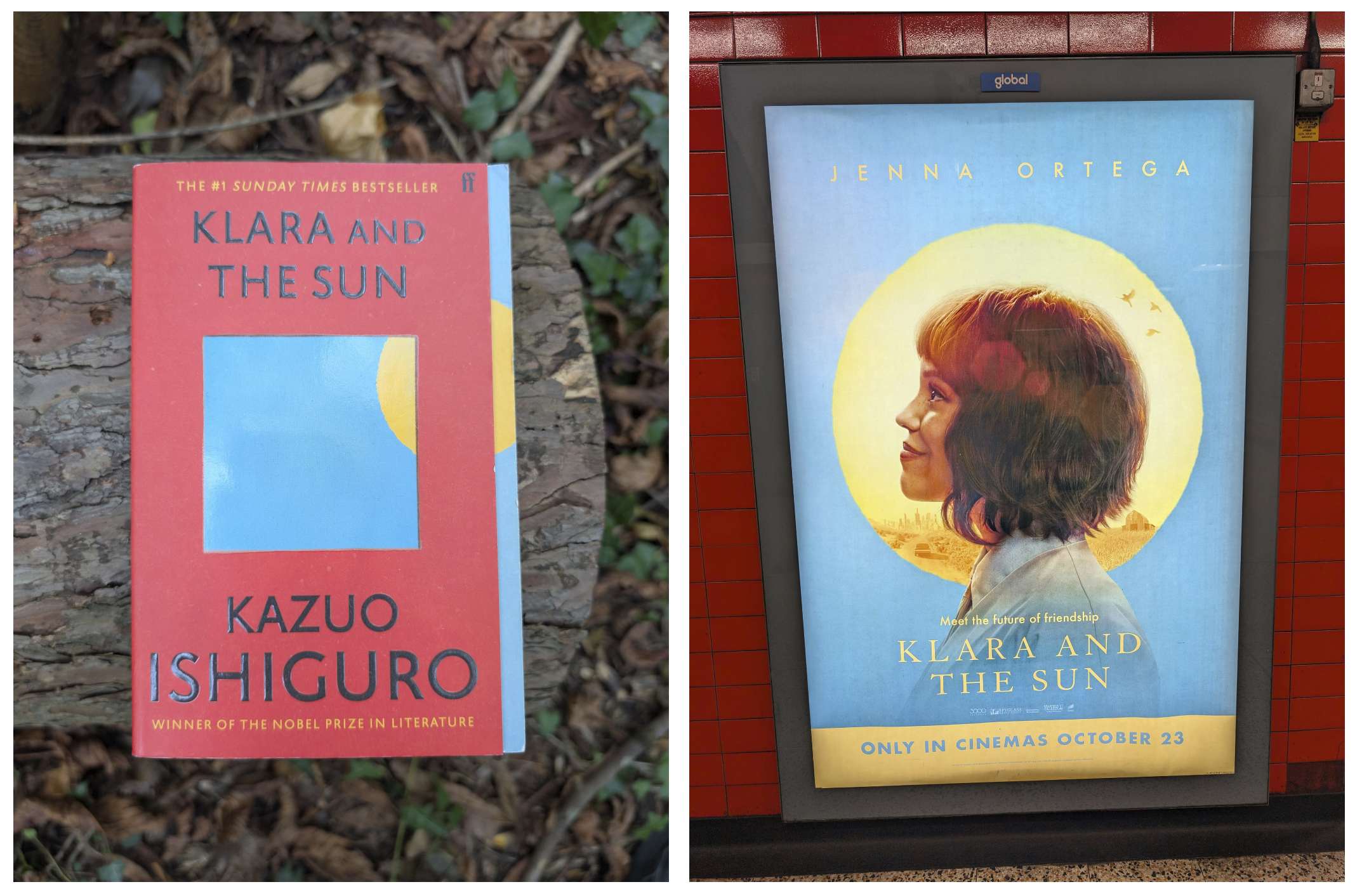
It will be a long-distance book club, combining silent reading zoom circles to drop into, and an end-of-book, spoilers-allowed online discussion.
The plan is to read four books a year together, so it's a pretty unrushed pace, with time enough to stop after a really good sentence and let it simmer, without worrying about "falling behind" on yet another thing.
And for those of you who like to listen, audiobooks count. I am planning to alternate between listening in the car and reading in bed. Both are long-form media, building the muscles that help us sustain our attention, and acting as an antidote to the scroll itch.
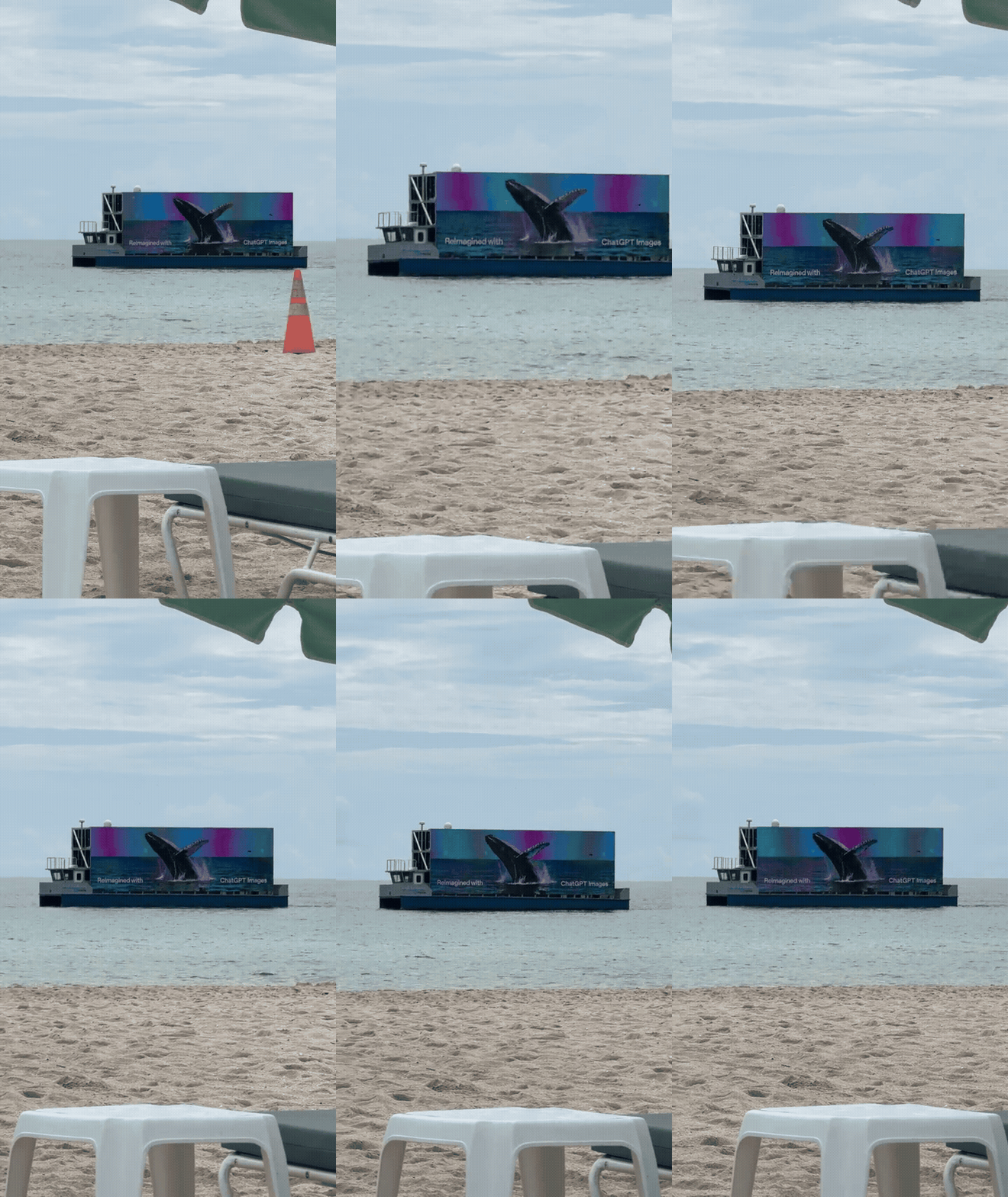
So maybe all that's to say: let's use tech more intentionally. And not do this.
Stay curious out there, people!
Menka
→ Tell someone about Noticing.
→ Check out our shop.
→ Join the Friends of Just Looking!

Noticing – Our Newsletter
Join our newsletter community for monthly inspiration to slow down and stay curious about everyday life and what matters most to you.