Letters
On Learning Bird Names
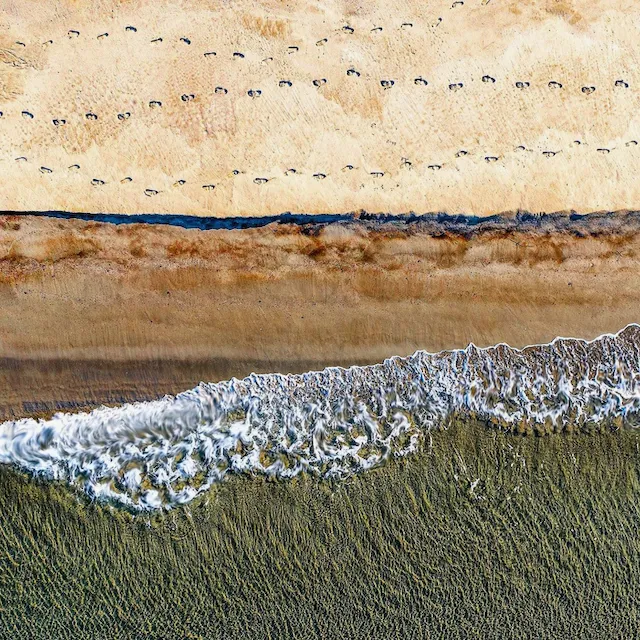
Before I knew the names, the wren was still there but simply part of the wider soundscape. After, it was a particular, a non-general, a someone. And that small shift invited me to linger a moment, and enjoy its company. The name was the introduction, the beginning of a relationship.
Being Hungry for the Human
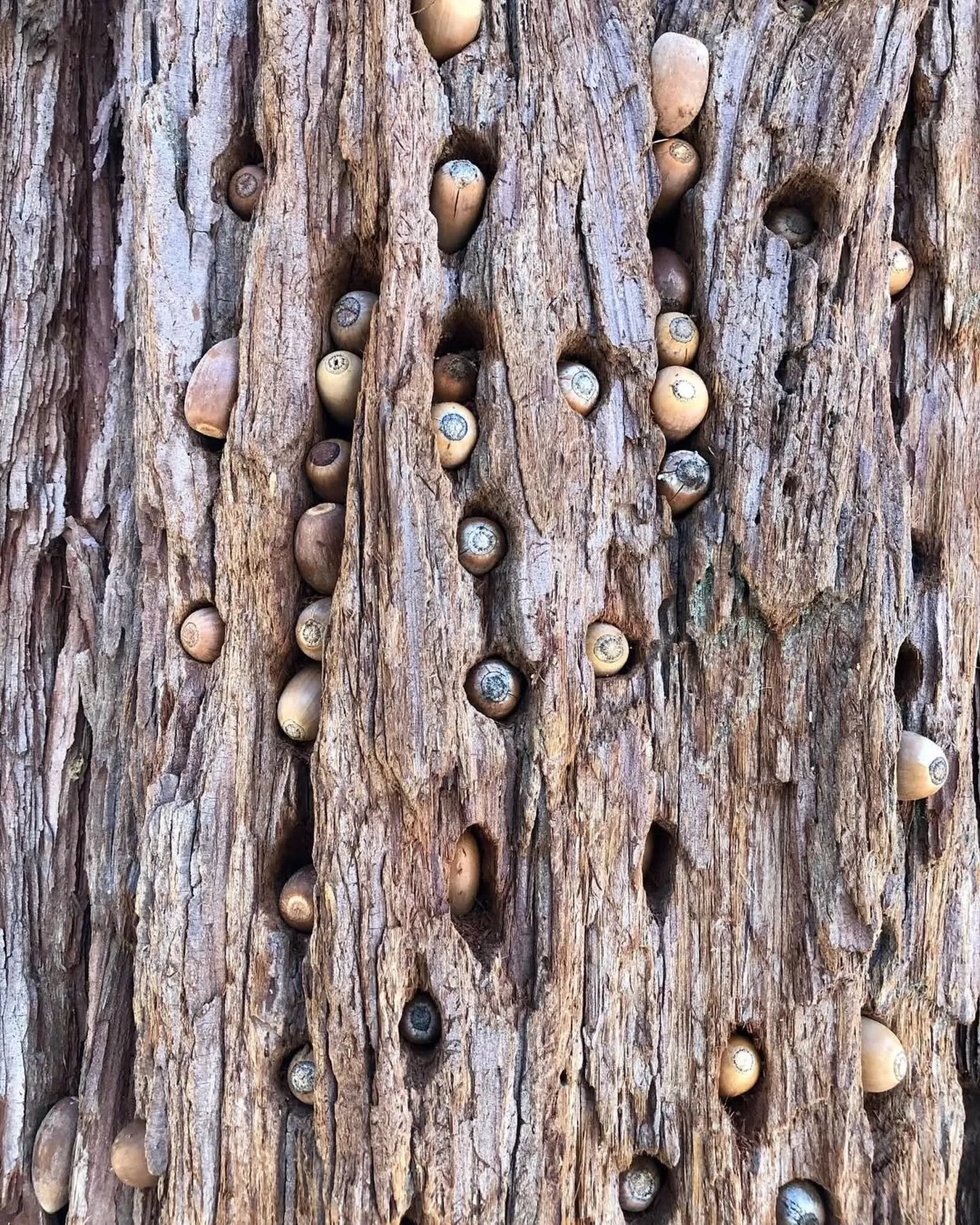
Noticing and appreciating efforts – is known by social scientists as the "effort heuristic." The quality or worth of an object is determined from the perceived amount of effort that went into producing that object. And we humans love the feeling that someone, somewhere, was making an effort.

Being an Earthling
It's funny how often the more you understand, the more awe you feel. An artist friend of Nobel-winning physicist Richard Feynman once lamented how science makes things dull. Read the iconic rebuttal below.
Do You See Faces?
Walking the streets in search of face pareidolia can help boost our creativity, and when we spot a face, it can also be a humbling reminder of how our eyes can be nudged and fooled.

Introducing the 60 Experiments in Looking!
Because we can't control everything in this crazy world, but we can choose how to use our attention.

Why Noticing Matters
What is worth noticing? We have seemingly endless choices in our infinite scrolls and instant searches. But on closer examination, we find algorithms creating monocultures. Attentionally malnourished, we can easily start feeling disconnected.

The Blueness of Blue
We have so many allies in this world, including just the colour blue in the sky. It is amazing how simply noticing colours and paying attention can help bring you back to the moment and feel less alone in the world.

In Defence of Wonder
Keeping one's heart open is risky business. It means anything can stop by for a visit. Sadness, sorrow, grief and, yes, joy too. We can either keep ourselves open to everything, or nothing at all.
Our Bodies Conduct Electricity
Wetware. Organic apparatus. Bio-processor. I have serious hesitations about each of these terms for the human body. I'm wary of conflating machines with humans. But there is at least one thing we have in common with machines: we rely on electricity to function.
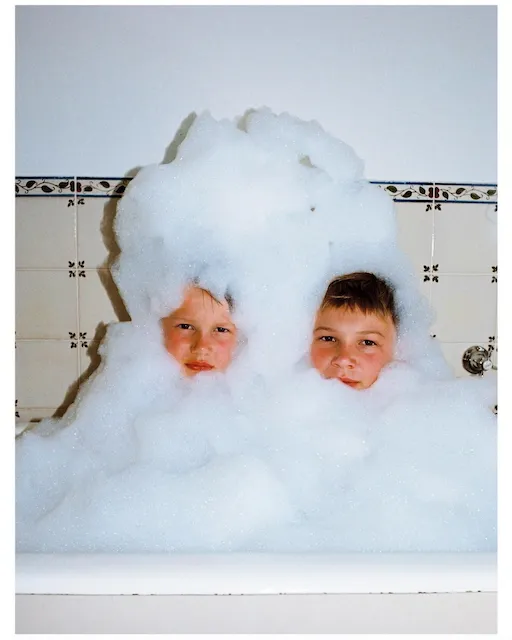
Humble Ways to Slow Time
As Doctor Who sums up: time isn't simply a linear progression. It's more like a big ball of wibbly wobbly, timey wimey stuff. So how do we actually slow it down?